

Practical tips for preparation, prevention, and recovery
In Canada, we’re blessed with stunning wilderness, endless forests, and beautiful landscapes. But with all that natural beauty comes a serious risk: wildfires. Over the past few decades, wildfires have become more frequent and more intense, especially as our climate gets warmer and drier. Every summer, news headlines fill up with stories of towns on alert, evacuations, and hazy skies stretching for miles. From the rugged mountains of British Columbia to the forests of Alberta and even the grasslands in Ontario and Quebec, no region is completely safe from wildfire threats.
Thankfully, standard home insurance in Canada covers wildfire damage, but what can homeowners do to reduce the risk and protect our properties? Let’s break down some practical steps you can take to help keep your home—and your loved ones—safe.
Preparedness and prevention
The good news is that a little wildfire preparation can make a big difference. Whether you live in a rural area surrounded by forests, or in a suburban neighborhood near green space, these tips can help lower your risk.
1. Create a definsible space
A “defensible space” is an area around your home designed to slow down or stop a wildfire before it reaches your property. Here’s how to create one:
-
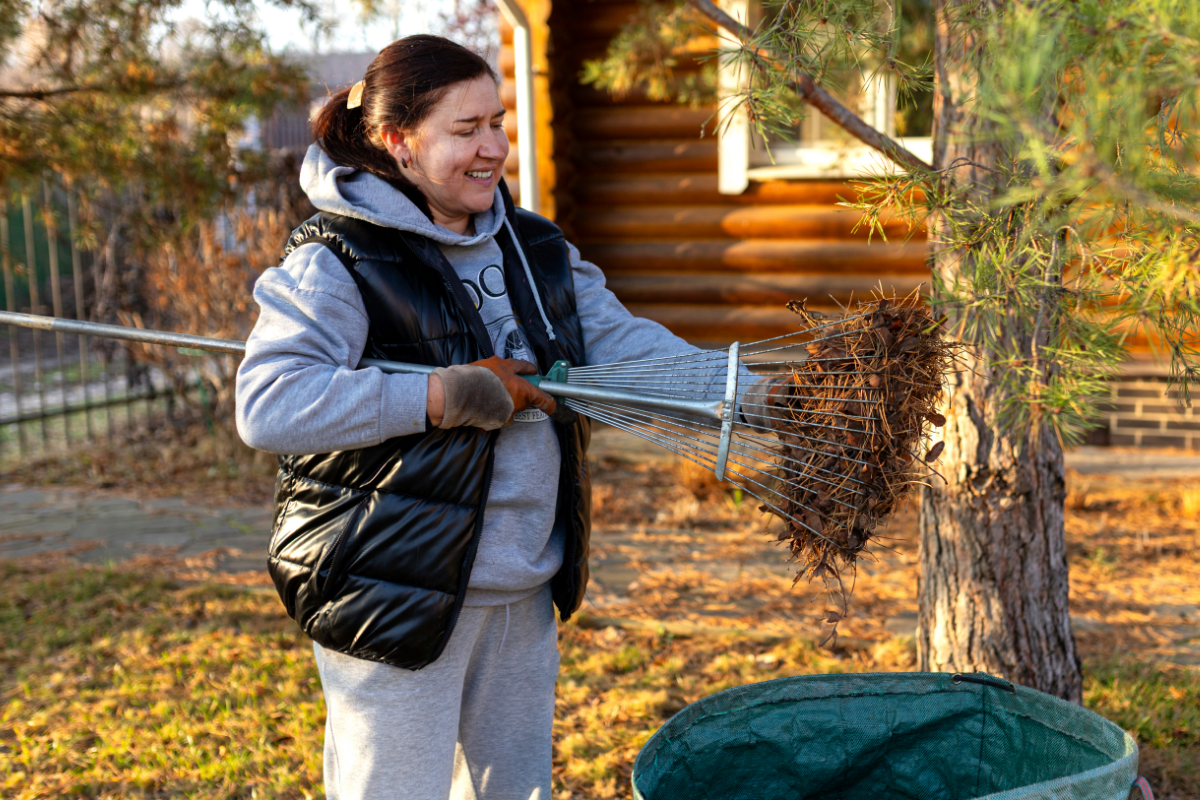
Clear out dry leaves, pine needles, and dead branches within at least 10 meters (about 30 feet) of your home
-
Trim trees so that their branches are at least two meters above the ground and at least three meters from your house
-
Keep grass short and hydrated—dry lawns are like gasoline for wildfires
-
Move firewood, propane tanks, and anything flammable well away from buildings
-
Use gravel or stone for landscaping instead of bark mulch or wood chips near your house
2. Choose a fire-resistant materials for construction and upgrades
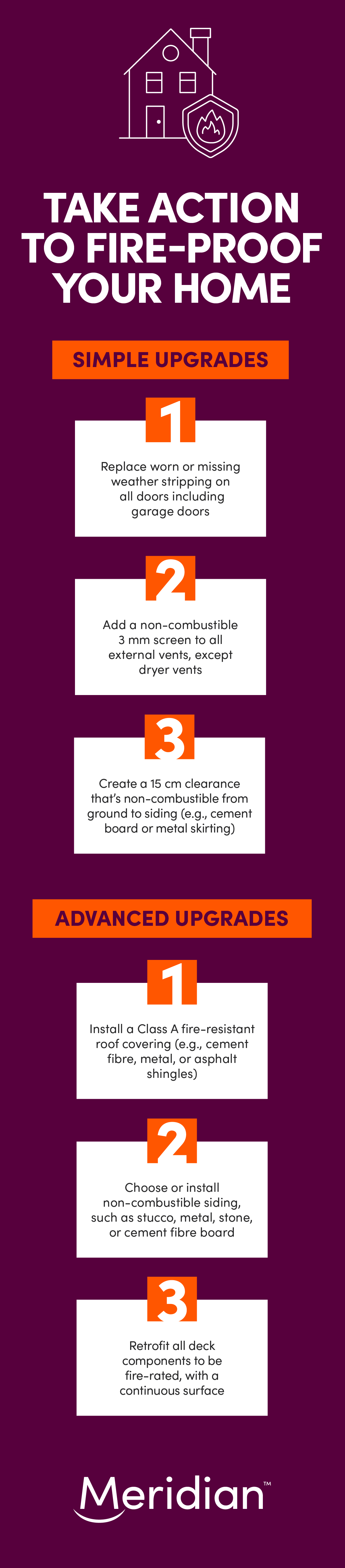
If you’re building a new home or renovating, materials such as metal, brick, and stucco are less likely to catch fire than wood siding. For your roof, choose asphalt shingles, metal, or tile instead of wood shakes. Upgrade old windows to double-paned or tempered glass and use metal mesh screens on vents to keep out embers.
Don’t forget about decks and fences. If they’re made of wood, they’re vulnerable. Seal them with fire-resistant treatments or upgrade to composite materials if possible.
3. Do regular maintenance
Stay on top of the yard work! Clean gutters and roofs regularly to remove dry debris. Fix any broken window screens and make sure your garden hose is long enough to reach all sides of your house.
4. Stay alert and monitor the risks
Keep an eye on local fire conditions, especially during dry spells. Many provinces have online maps and alert systems. If a fire ban is in place, respect it—one careless moment can put your whole neighborhood in danger.
Evacuation and emergency planning
It’s hard to imagine having to leave your home on short notice, but wildfires move fast and everyone should be prepared. If your community is under threat, here’s how to get ready for evacuation:
1.Pack an emergency kit
- Clothes, toiletries, and important documents (ID, insurance, etc.)
- Medications and a basic first aid kit
- Chargers for your phone and backup battery pack
- Food, water, and supplies for pets
Cash (ATMs might not work if power is out)
2. Plan your escape route
Know at least two different routes out of your neighborhood in case roads are blocked. Practice using the routes with your family—and make sure everyone knows where to meet up if you’re separated.
3. Monitor local authorities
Sign up for local emergency alerts. Listen to the radio, check social media, and follow instructions from local authorities. If you’re told to leave, don’t wait. The sooner you go, the safer you’ll be.
4.Check in on your neighbors
Reach out to elderly neighbors or anyone who might need extra help during a wildfire threat. In a crisis, community support really matters.
Air quality and post-fire recovery
Even if a wildfire doesn’t reach your home, the smoke can travel hundreds of kilometers and turn the air thick and hazy. Here’s how to protect yourself in the face of bad air quality:Stay indoors with windows and doors closed
Use a HEPA air purifier if you have one, or run your HVAC on recirculate mode
If you must go outside, wear an N95 mask to filter out tiny particles
Limit strenuous activities—now’s not the time to run a marathon
Keep an eye on air quality reports online or through local weather apps
Once the immediate danger passes, you might be eager to get back to normal but take things slowly. Check your property for damage before moving back in. Watch for hidden hazards like downed power lines, falling branches, or unstable structures.
Contact your insurance company right away if you have any damage. Take photos and keep notes. If you have to clean up ash, wear gloves and a mask, and keep kids and pets away until it’s safe.
And don’t forget about mental health! Wildfire evacuations and losses are stressful. Reach out for support if you need it—whether that’s talking to a friend, a counselor, or local resources.
Related Articles
Protect your home and savings from flood damageFlood protection for homeowners