

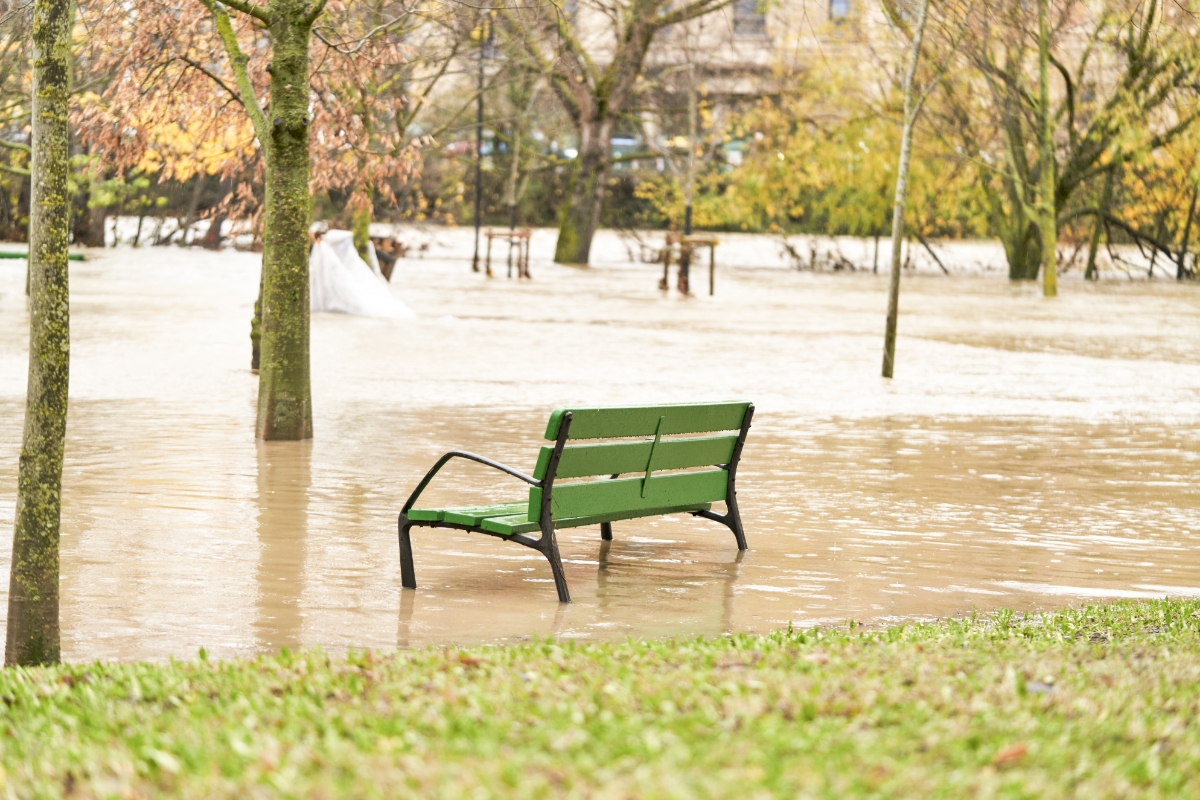
Meridian has gathered here some helpful information for residents affected by flooding in St. Catharines and Niagara Region. The main topics covered are:
- Actions to take if you’ve been affected by floods
- Where residents can go for help
- Home insurance: Key points from the Insurance Bureau of Canada (IBC)
- Guidance for renters, homeowners, and business owners
- Disaster Recovery Assistance for Ontarians (DRAO): important limits
- What records to keep
- Important agencies and programs
- Further sources of information
Actions to take if you’ve been affected by floods
- Stay away from dirty floodwater, electrical hazards, and unsafe structures. Call 911 if there is an immediate danger.
- Call your insurer as soon as possible to report the damage and start a claim.
- Take photos and videos before cleaning or throwing things away.
- Keep damaged possessions unless they are unsafe or could develop mould. If you must throw something away, take a photo and keep a written record of it.
- Keep receipts for cleanup, repairs, hotels, meals, and other flood recovery costs.
- Use municipal and Niagara Region cleanup services. These may include waste pickup, free landfill disposal, bins, and public facilities.
- If you need help removing water or waste, contact the St. Catharines Vulnerable Assistance Registry at 905-688-5600.
- Call 211 or the Canadian Red Cross Niagara Region if you need help finding food, clothing, lodging, or other forms of support.
- If you cannot pay for food, housing, or other basic needs, apply for emergency assistance through Ontario Works. (This is separate from Disaster Relief Assistance for Ontarians and does not require flood-specific activation).
- If you may miss a mortgage, loan, credit card, or utility payment, contact Meridian or your provider early to discuss available options.
Where residents can go for help
| Type of help | Program or service | What it may help with | What residents should know |
|---|---|---|---|
| Insurance questions | Insurance Bureau of Canada (IBC) Virtual Community Assistance Mobile Pavilion (V-CAMP) | General questions about home, business and vehicle insurance | Call 1-844-227-5422 or email [email protected]. Contact your own insurer for decisions about your coverage. |
| City and regional cleanup | City of St. Catharines / Niagara Region | Waste pickup, disposal services, bins, and available public facilities | Check current municipal and Niagara Region updates. Some services may only be available in certain areas. |
| Help with cleanup | Vulnerable Assistance Registry | Help for eligible residents who cannot remove water or waste on their own | Use the municipal form or call 905-688-5600. |
| Future flood prevention | Flood Alleviation Program (FLAP) | May help eligible homeowners install equipment to reduce sewer backup risk | This is for prevention. It may not pay for current flood damage. |
| Emergency basic needs | Emergency assistance through Ontario Works | Short-term help with basic needs such as food and housing | Eligibility rules apply. People already receiving assistance through Ontario Works or the Ontario Disability Support Program (ODSP) are generally not eligible for this emergency stream. |
| Possible disaster funding | Disaster Recovery Assistance for Ontarians (DRAO) | May help with eligible emergency costs and essential repairs if Ontario opens the program for the area | Not yet activated for this flood. Insurance and other assistance must be reported. |
| Loss of work | Employment Insurance (EI) | May provide income support if work stops and Employment Insurance (EI) rules are met | Apply through Service Canada and confirm eligibility. |
| Tax records | Records for possible tax purposes | Some qualifying renovation costs may be relevant to a tax credit | Flood costs do not automatically qualify. Keep detailed receipts and ask the Canada Revenue Agency (CRA) or a tax professional before claiming anything. |
| Community support | 211 Ontario / United Way Niagara | Referrals for food, housing, utilities, mental health, and other local services | Call 2-1-1. This is a referral service and does not guarantee funding. |
| Disaster support | Canadian Red Cross - Niagara Region | May provide short-term support such as food, clothing, or lodging | Contact the Red Cross to confirm what is available for this flood. Do not assume a cash program is open. |
| Payment concerns | Meridian / other financial institutions and creditors | May discuss temporary payment options based on the resident’s situation | Contact the provider early. Ask for any arrangement in writing. |
Home insurance: Key points from the Insurance Bureau of Canada (IBC)
- Insurance policies vary. Residents should check their policy and speak with their insurer.
- Sewer backup is covered only if the resident bought optional sewer backup coverage. Limits may apply.
- Overland flood coverage is optional. Limits may apply, and it may not be available in high-risk areas.
- If insured damage makes a home unsafe to live in, the policy may cover some additional living costs. Residents should ask what is covered and for how long.
- Water damage through a roof may be covered, but damage caused by poor maintenance or wear and tear may not be.
- Groundwater, seepage, coastal flooding, and storm surge are not standard coverage in many policies.
- Wind damage is usually covered. Vehicle damage may be covered if comprehensive or if all-perils coverage was purchased.
- Business owners should ask whether business interruption coverage applies.
- Seasonal and secondary homes may have different coverage limits. Residents should check those properties when it is safe.
Guidance for renters, homeowners, and business owners
Renters
- Call your tenant insurer and record damaged belongings.
- Tell your landlord about water damage and repairs needed.
- Keep receipts for temporary housing, meals, and essential items.
Homeowners
- Ask your insurer what emergency work can begin before an adjuster visits.
- Check your coverage for sewer backup, overland flood, and additional living expenses.
- Review the Flood Alleviation Program (FLAP) and other prevention programs after the immediate cleanup.
Owners of businesses and not-for-profits
- Record damage to the building, equipment, and inventory.
- Ask your insurer about property and business interruption coverage.
- If Disaster Recovery Assistance for Ontarians (DRAO) opens, confirm that your organization and address are eligible.
Disaster Recovery Assistance for Ontarians (DRAO): important limits
- Disaster Recovery Assistance for Ontarians (DRAO) is not yet open for this flood. Please check the website for latest updates.
- Ontario must open the program for a specific area before residents can apply.
- Not every person, property, or cost will qualify.
- Insurance payments and other help must be reported. The same cost cannot be paid twice.
- Disaster Recovery Assistance for Ontarians (DRAO) focuses on essential property and basic emergency costs, not every loss.
What records to keep
- Photos and videos of damage.
- A list of damaged or discarded items.
- Your insurance claim number and messages from the insurer or adjuster.
- Receipts and invoices for cleanup, repairs, disposal, hotels, meals. and essential purchases.
- Quotes, contracts, permits, and proof of payment.
- Records of help received from government, the Red Cross, or other groups.
- Written details of any payment arrangement with a lender, creditor, landlord, utility, or employer.
- Itemized renovation invoices for possible tax purposes. Confirm eligibility with the Canada Revenue Agency (CRA) or a tax professional before claiming.
Important agencies and programs
| Commonly used initials | Full name |
|---|---|
| CRA | Canada Revenue Agency |
| DRAO | Disaster Recovery Assistance for Ontarians |
| EI | Employment Insurance |
| FLAP | Flood Alleviation Program |
| IBC | Insurance Bureau of Canada |
| ODSP | Ontario Disability Support Program |
| V-CAMP | Virtual Community Assistance Mobile Pavilion |
Further sources of information
- Insurance Bureau of Canada: Niagara Region flood guidance: View source
- City of St. Catharines: Flooding response and recovery: View source
- City of St. Catharines: Flood Alleviation Program: View source
- Niagara Region: Flood response waste services: View source
- Ontario: Emergency Assistance: View source
- Ontario: Disaster Recovery Assistance: View source
- Canada: Employment Insurance regular benefits: View source
- 211 Ontario: Financial assistance: View source
- 211 Ontario: Canadian Red Cross - Niagara Region: View source
- Canada Revenue Agency: Homeowner tax information: View source
The guidance shared here is based on sources available as of August 5, 2026. Residents should confirm current eligibility and coverage with the relevant program, insurer, agency, or tax professional. This guidance is general information, not insurance, legal, or tax advice.